America’s 250th anniversary is officially celebrated on July 4, but you can recognize this historic milestone at any time with a book from our SelectBooks collection.
Each May, National Small Business Week and Economic Development Week shine a spotlight on the people, partnerships and ideas that power local economies. We spoke with members of our Community Economic Development team about what it takes to support long-term economic vitality in rural communities and help families thrive.
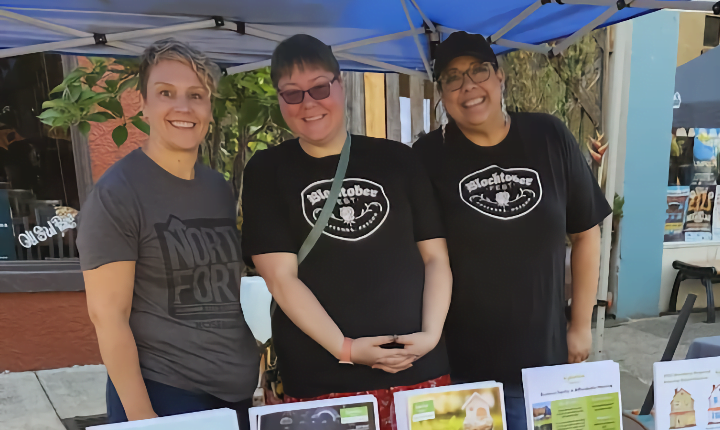
Launched in 2021, GRO currently supports a small cohort of rural communities to build a network — a community ecosystem — that wraps around in support of local entrepreneurs. Find inspiration for ways to support small business in your community from these standout examples.
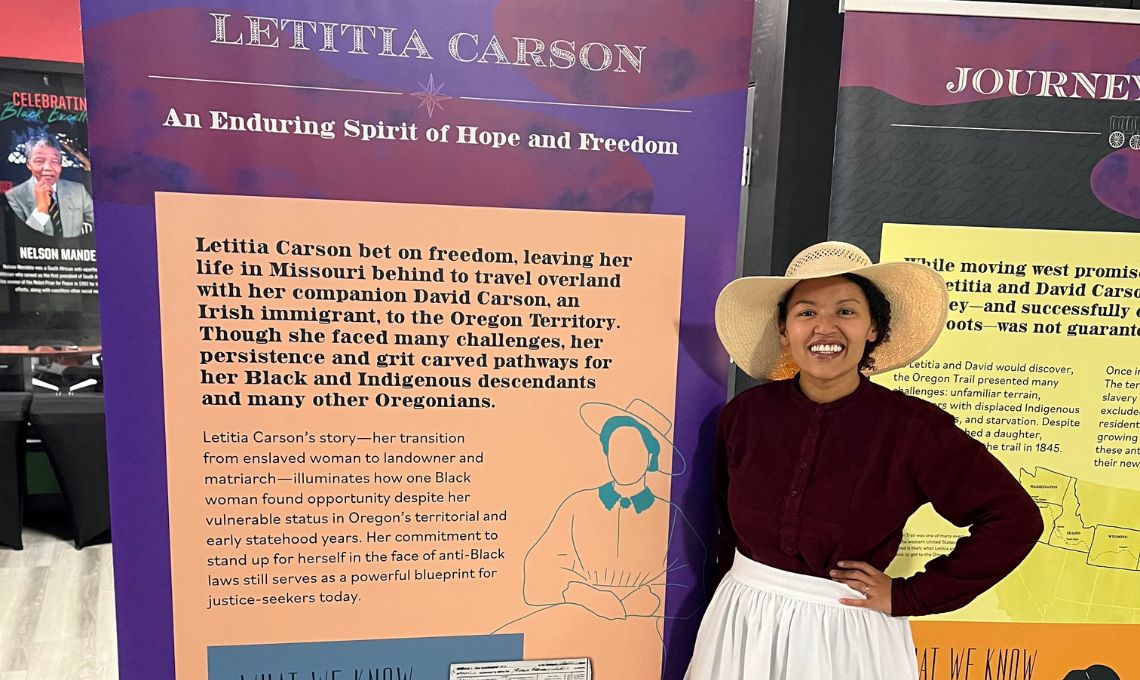
There is little chance now that Black settler Letitia Carson’s story will recede from memory. Her story is one of resilience, persistence and triumph. One of Carson’s most memorable claims to history is as an early Black homesteader in two Oregon locations.
Like many of her friends in the Butte Valley area of northern California, Adriana Ramirez used to spend her summers indoors, taking care of her siblings while her hardworking parents spent long days doing farm work.
Prior to forming A Greater Applegate, the area’s leading community building organization, the complicated overlap of geography and government agencies challenged residents’ sense of a shared identity and made advocating for their needs difficult.
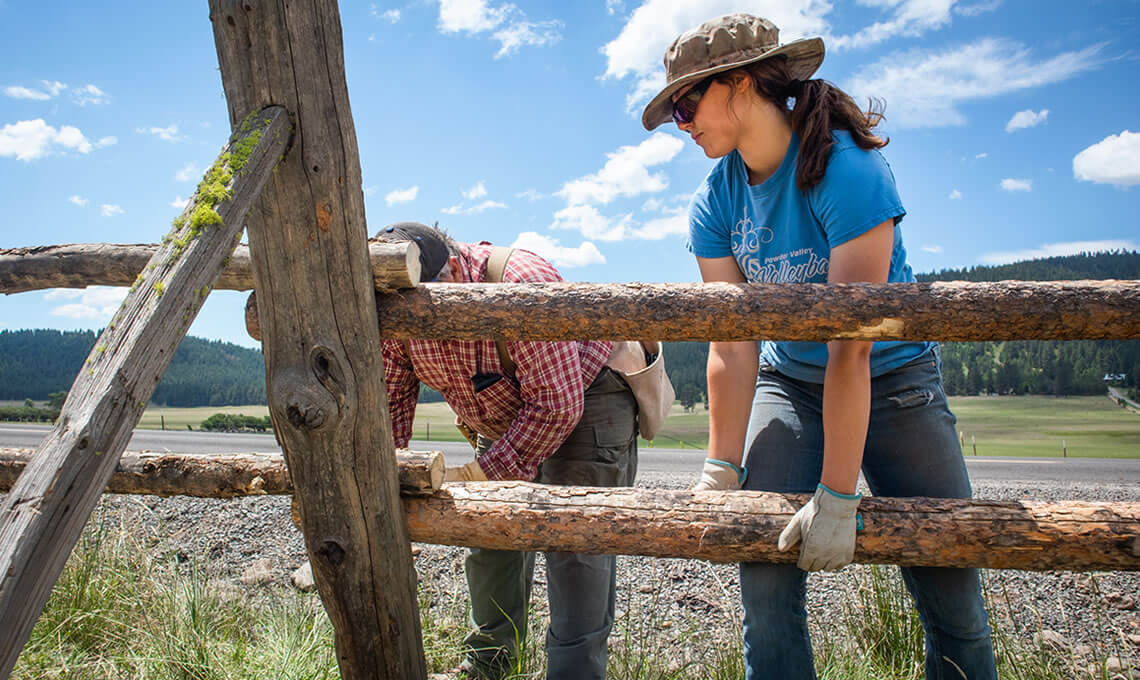
Nestled on the western slopes of the Wallowa-Whitman National Forest, east of the ridge that separates Highway 203 from North Powder, five students and two local ranchers plot their morning’s work.
In 1971, a group of concerned residents in Hood River identified a need for a residential treatment facility for troubled youth. They launched The Next Door out of a rented farmhouse, offering treatment and beds to 10 youth.
The job of building community is a big one. We know that in small, rural organizations, board members, volunteers and staff wear multiple hats in their roles.
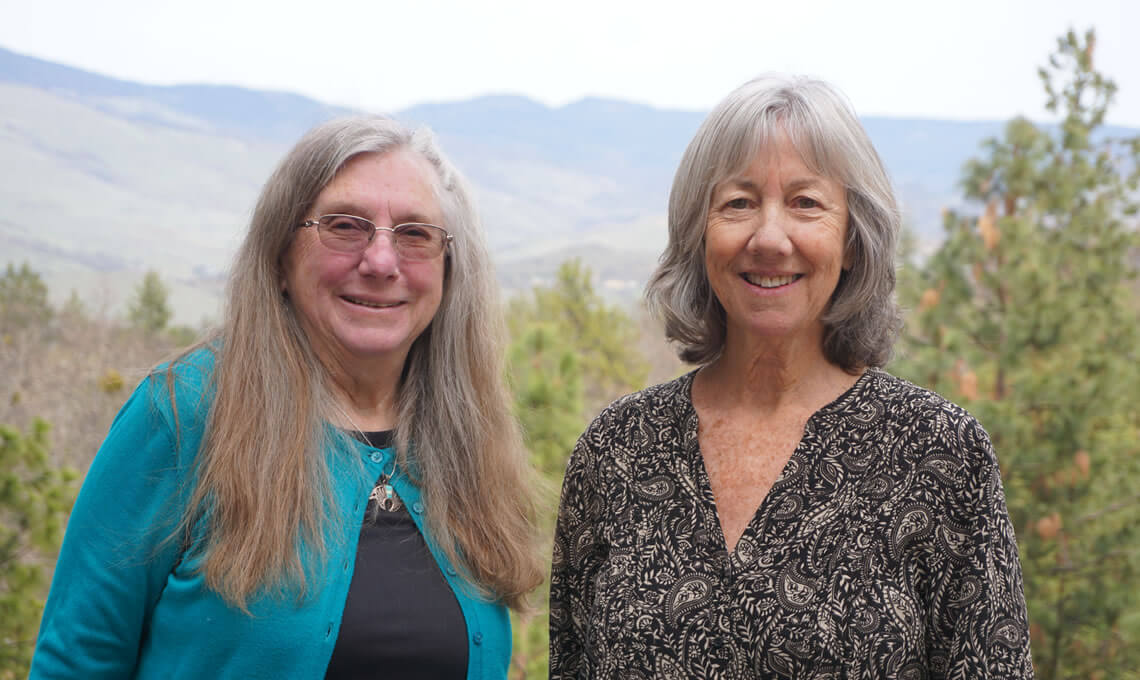
“The Ford Institute Leadership Program’s vision of community vitality and building capacity has been realized in amazing ways in many communities,” explains Mary Ward from her Southern Oregon home.
New funding opportunities from the federal government are adding urgency to an old concern — that rural Oregon continues to leave dollars on the table through unclaimed federal grant program funding.
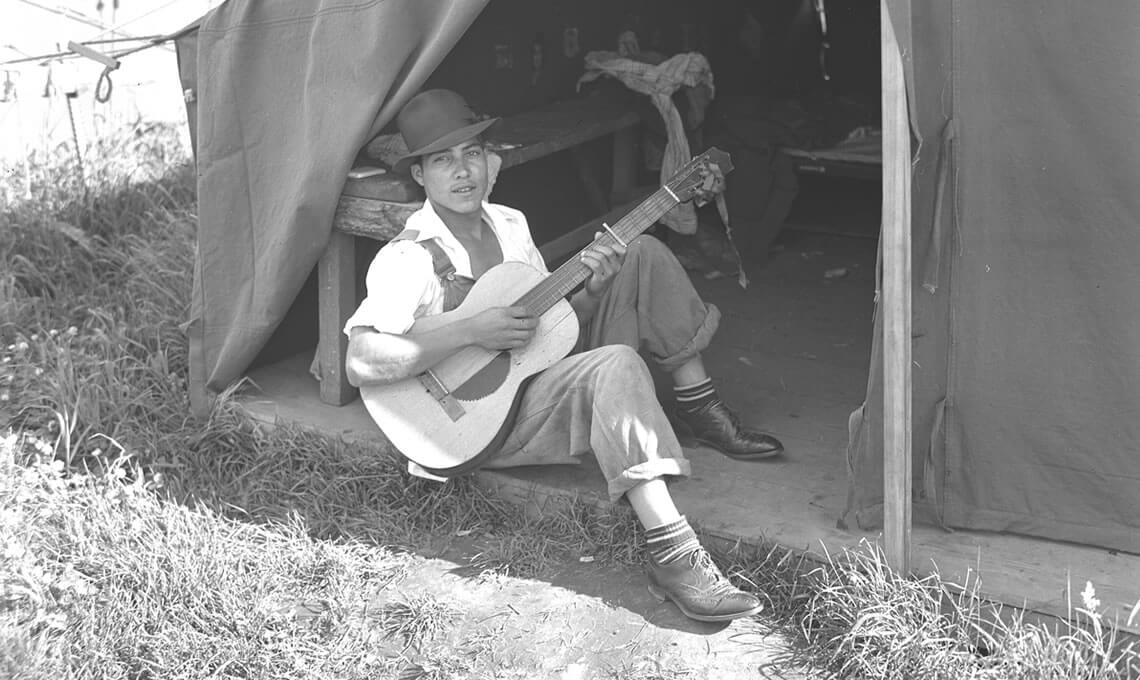
In 2016, Mario Jimenez Sifuentez published ‘Of Forests and Fields: Mexican Labor in the Pacific Northwest.’ His book shares the story of Mexican immigrants who, out of view of most Oregonians, became the foundation of our agriculture economy.
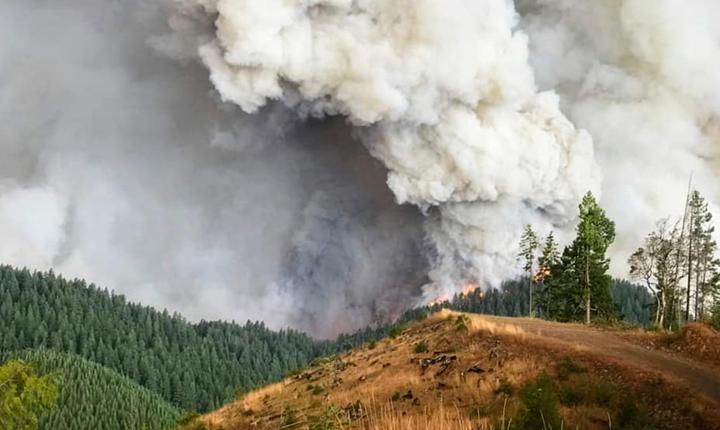
As the French Creek fire burned in the night outside of Glide on Sept. 7, Abigail Malek posted to social media: “If you have friends out there, check with them to see if they need any help.”
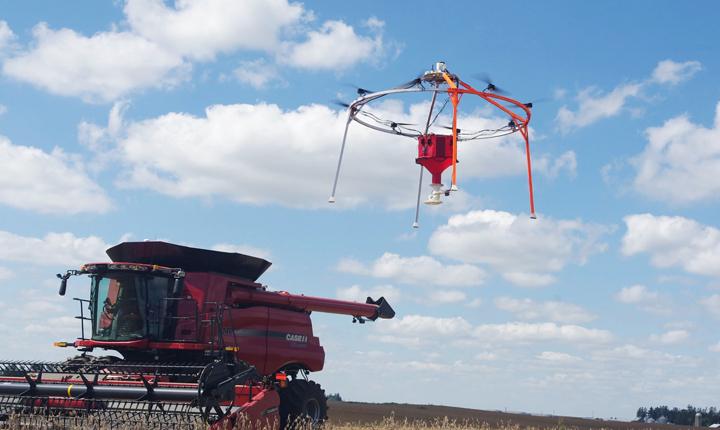
An innovative partnership between agriculture and economic development in the mid-Willamette Valley is promising to flip the script on traditional startup and entrepreneurship activities.
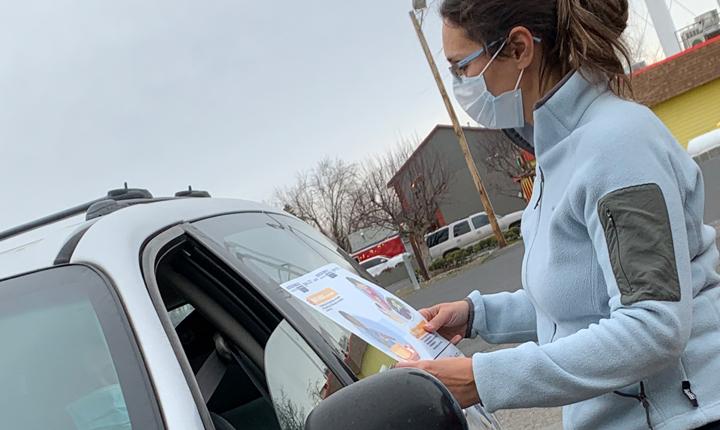
When it comes to keeping the most vulnerable residents safe and healthy, the actions of community leaders throughout Oregon demonstrate that community building and public health create a powerful combination.
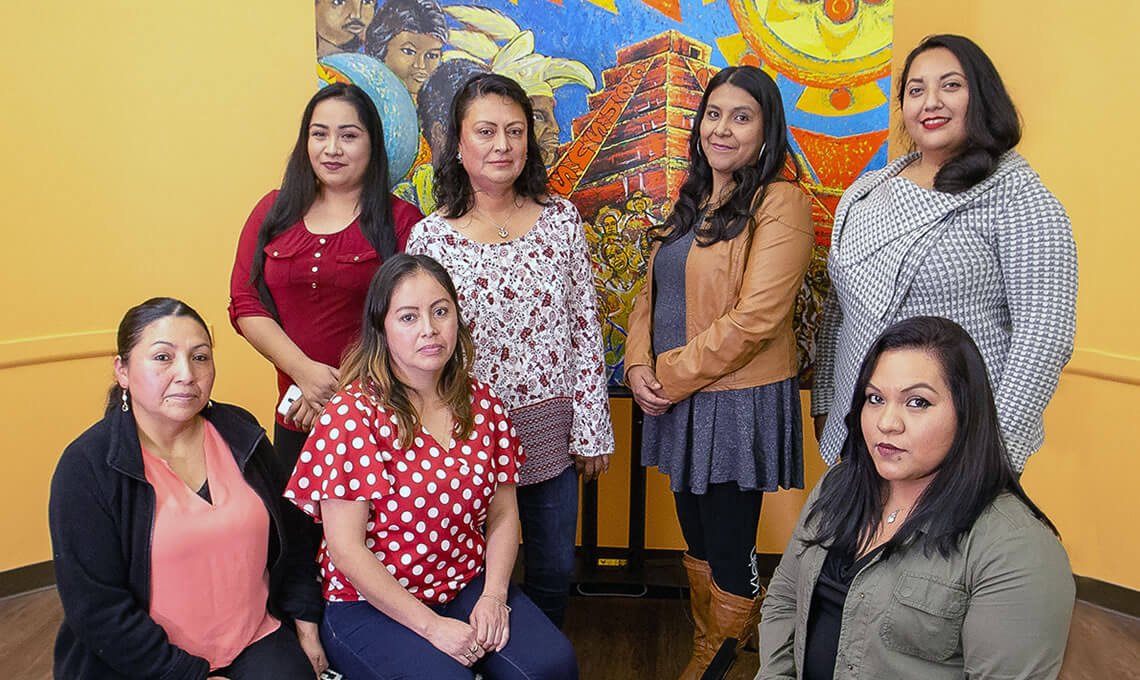
Bilingual public education, traffic safety and a vision for more inclusive, united communities motivated residents in Molalla to get involved. The path to creating the change they wanted?